Written by Mike Hamilton, CCA & President of Turf Dietitian
The success of any crop starts with soil structure and soil components. The best golf course superintendent in the world will struggle or even fail when the soil he’s working with has poor structure. If the soil structure is good, the chance for success is greatly enhanced.
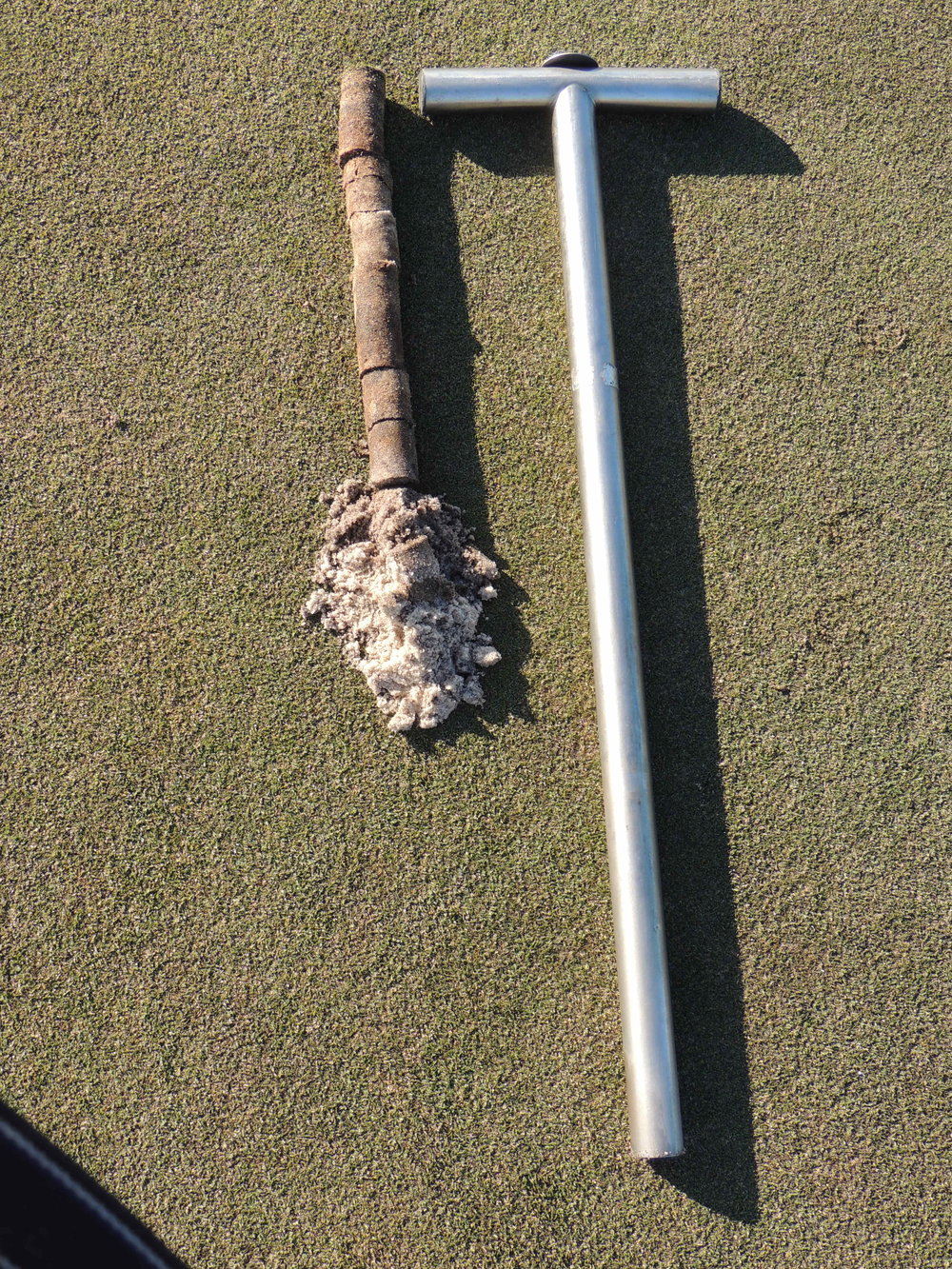
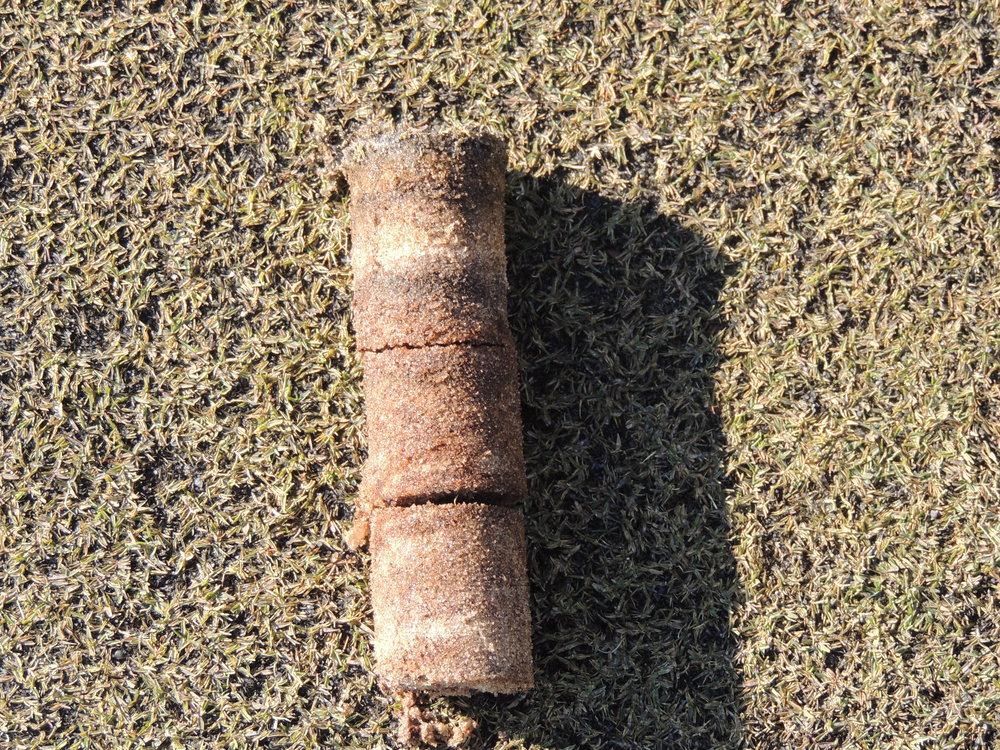
Soil is home to plants.
Better Soil Structure = Healthier Plants
The more money spent building and maintaining a home. The more grandiose the house and the more luxurious the living.
The same goes for soil.
Plants have a better chance to flourish with more money spent on beneficial amendments, cultural programs, and management.
Bad Soil Structure
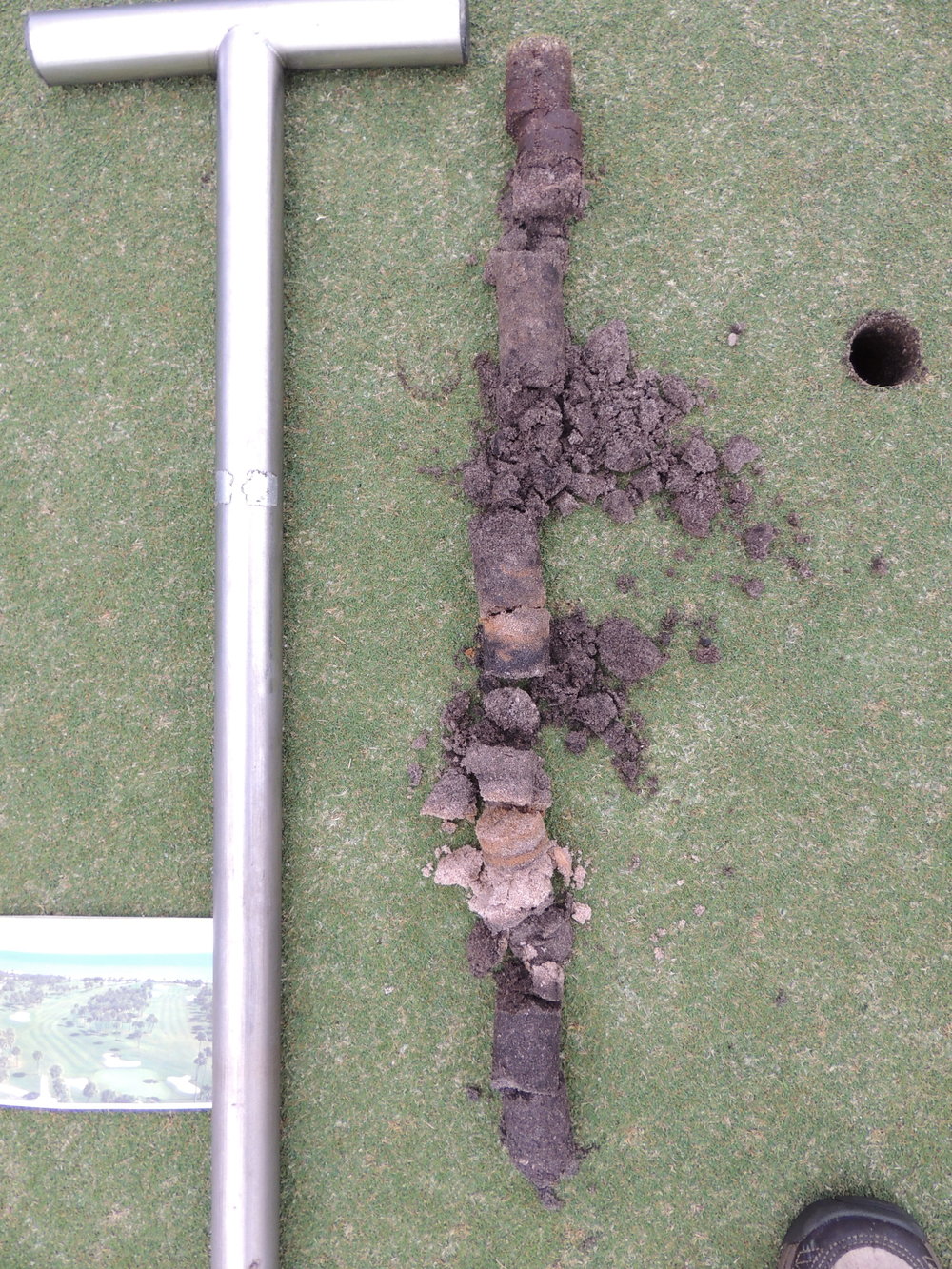
Most modern golf courses get built considering soil conditions during the planning and construction phases. If the native soil is of poor quality, you should add the necessary aggregates to give the soil both good mineral content and water infiltration. The difference in soil structure from course to course is why comparing one golf course to another is nearly impossible.
Soil consists of four major components: air, water, organic matter, and mineral matter. For something that simple, it’s one of the most complex structures on the earth.
Any crop’s success almost entirely depends on the soil’s physical properties and the surrounding environment, whether the plant is a tree, grass, or other species.
In an ideal soil for turf growth, air and water fill the pore space and compose about fifty percent of the volume; organic matter accounts for about one to five percent of the soil volume; mineral matter accounts for the remaining forty-five to forty-nine percent. The separation of these four components can vary considerably from course to course because of construction techniques, location, and surface age.
The soil’s mineral and organic matter fractions are the solids and serve as the storehouse and exchange sites for plant nutrients and other chemicals. Much of what Turf Dietitian discusses in our site reports is an examination of the solid components of the soil, along with cultural practices that influence plant health. Conversely, the proper balance of air and water in the pore space of the soil is equally essential for maintaining a healthy turf crop.
Turf Dietitian emphasizes techniques to improve or reinforce the proper air-to-water ratio to enhance plant health and better root development.
Determining the perfect amendments to native soil is a very delicate balance. Sand is the largest mineral particle in soil. Sand particles are a relatively inert part of soil structure because very few chemical reactions occur at their surface. The chemical reactions control the adsorption and release of plant nutrients and many other chemicals in this environment. Although the sand is not nutrient-rich, it has large pores that allow water to move through the soil fast. Sandy soils are known to have rapid infiltration and drainage.
Almost entirely opposite to sand is clay. Clay is the smallest mineral particle in soil. Clay particles are the active portion of the soil structure because chemical reactions occur at their surface. The chemical reactions control the adsorption and release of plant nutrients and many other chemicals in this environment. Although clay is nutrient-rich, it has tiny pores that don’t allow water to soak into the soil fast. Clay soils are known to have poor infiltration and drainage. Unfortunately, although turfgrass loves water, it’s not an aquatic plant.
Because turfgrass is harvested on a golf course daily, it requires a large amount of nutrient uptake. Turfgrass is also a shallow-rooted plant (especially when cut at less than an inch.) Therefore drainage is essential to its survival.
Therefore, it only stands to reason that a mixture of sand, silt, and clay makes for an optimum growing median for most turfgrass species.
Not every Superintendent has the luxury of managing turf living in ideal soil conditions. Fortunately, in the past 20 years, equipment manufacturers, chemists, and savvy industry professionals have developed tools, products, and procedures to remediate soils with poor structure. Although just because the resources are available to remediate poor soils doesn’t mean a membership will choose to do what’s necessary to have good conditions.
Through science, experience, and a deep understanding of the industry, the professional team at Turf Dietitian assists turf professionals in developing management strategies to maintain good soil structure and remediate poorly structured soils.
Nutritional Impact on Soil from Water Sources

Because of water quality laws such as The National Pollution Discharge Elimination System (NPDES) and Waters of the United States (WOTUS), more emphasis will be placed on your nutrient and water management programs now than ever before.
Many states already have Fertilizer Ordinances that minimize using nitrogen and phosphorous during the rainy season, preventing runoff. Other states require that golf facilities develop BMPs for better irrigation management and have documented stormwater management plans. Regardless of what is presently required by the state you live in, water regulations are going to continue to be a big part of a club’s risk compliance.
The most significant nutrient impact on the mineral content of the soil is the water source used to irrigate. Supplemental irrigation and rainfall add more nutrients to the soil in one month than most Superintendents apply in years of broadcast applications.
Poor quality water can hurt the environment, soil structure, and plant health. Adding excess nutrients through irrigation applications will create imbalances in the soil. Changing irrigation water by injecting other nutrients or chemicals is typically very expensive and ineffective.
The philosophy at Turf Dietitian is to build programs around the irrigation source to maximize nutrient uptake, improve soil structure, and balance nutrient applications to adjust for the excess nutrients in the water and soil.
